History of the Church
Father Justyn Bonaventura Pranaitis began the construction of the Catholic church to the design of the famous Polish architect Ludwik Pańczakiewicz. The first workers were Catholic soldiers stationed in Tashkent. Later, prisoners of war held near Tashkent became the builders. Among them were highly skilled engineers, sculptors and stonemasons.
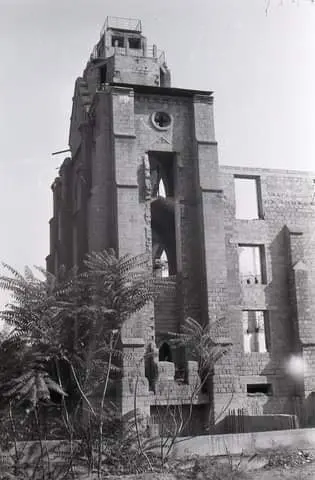
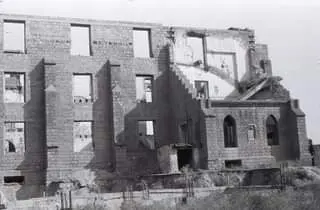
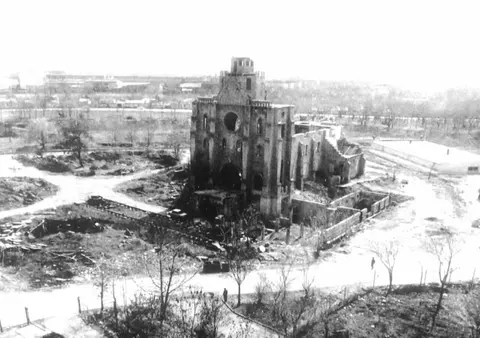
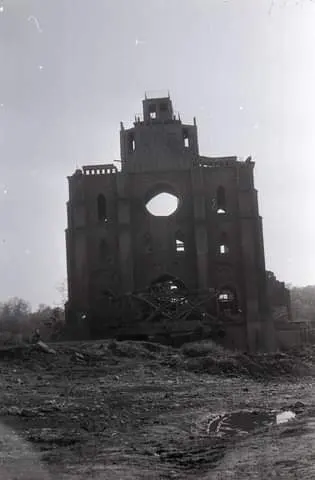
1912After nationalization, various organizations were housed in the unfinished church, including a dormitory of the Electrocable Factory and a warehouse for medical equipment. While the church was used for other purposes, nearly all the sculptures inside were destroyed or looted.
1925 – 1976By decision of the authorities, the building was restored and handed over to the Ministry of Culture of the Uzbek SSR. In 1981, the church was granted the status of an architectural and historical monument of Uzbekistan.
1976After the collapse of the Soviet Union, the government of the Republic of Uzbekistan transferred the church building to the Catholic parish of Tashkent for free use.
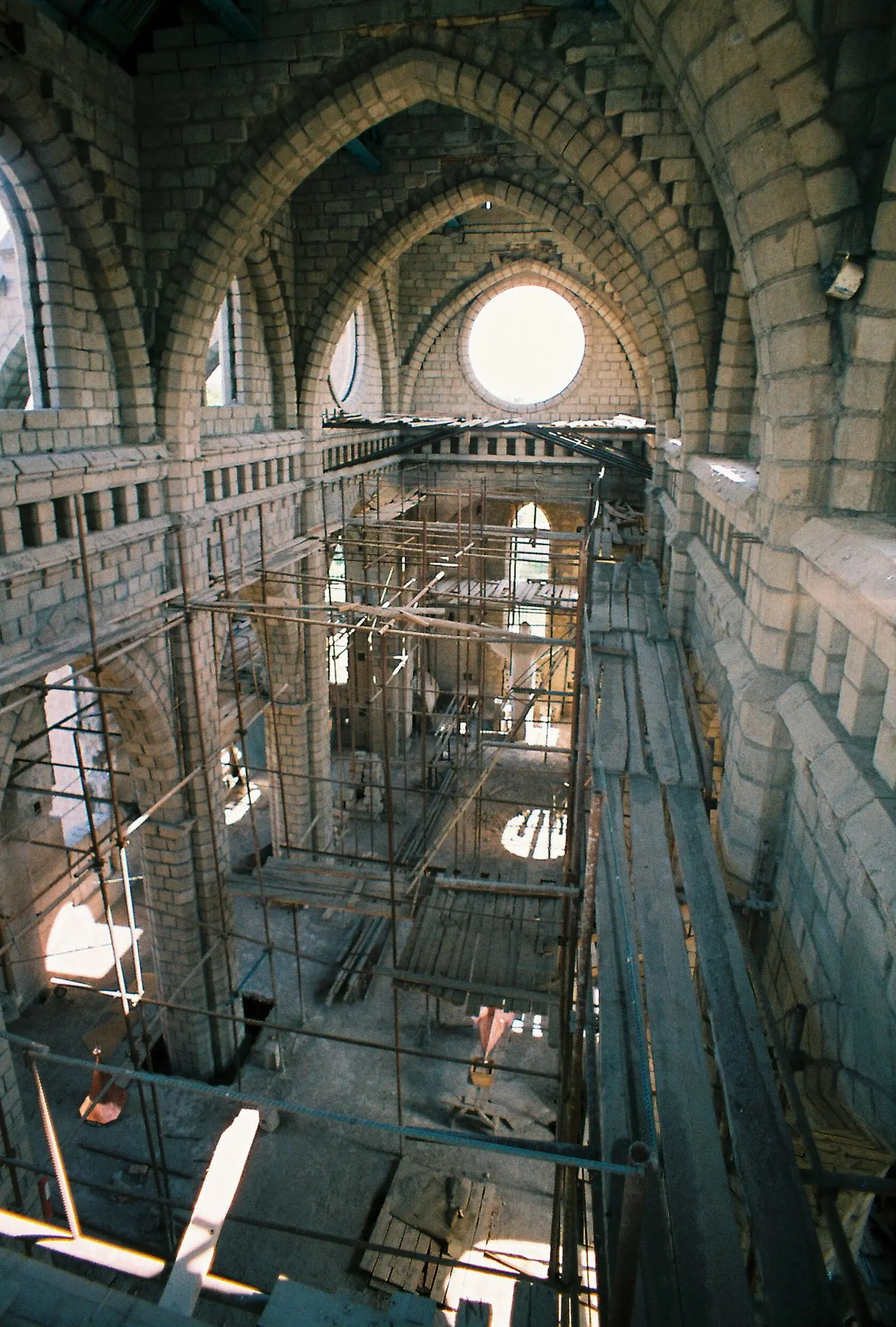
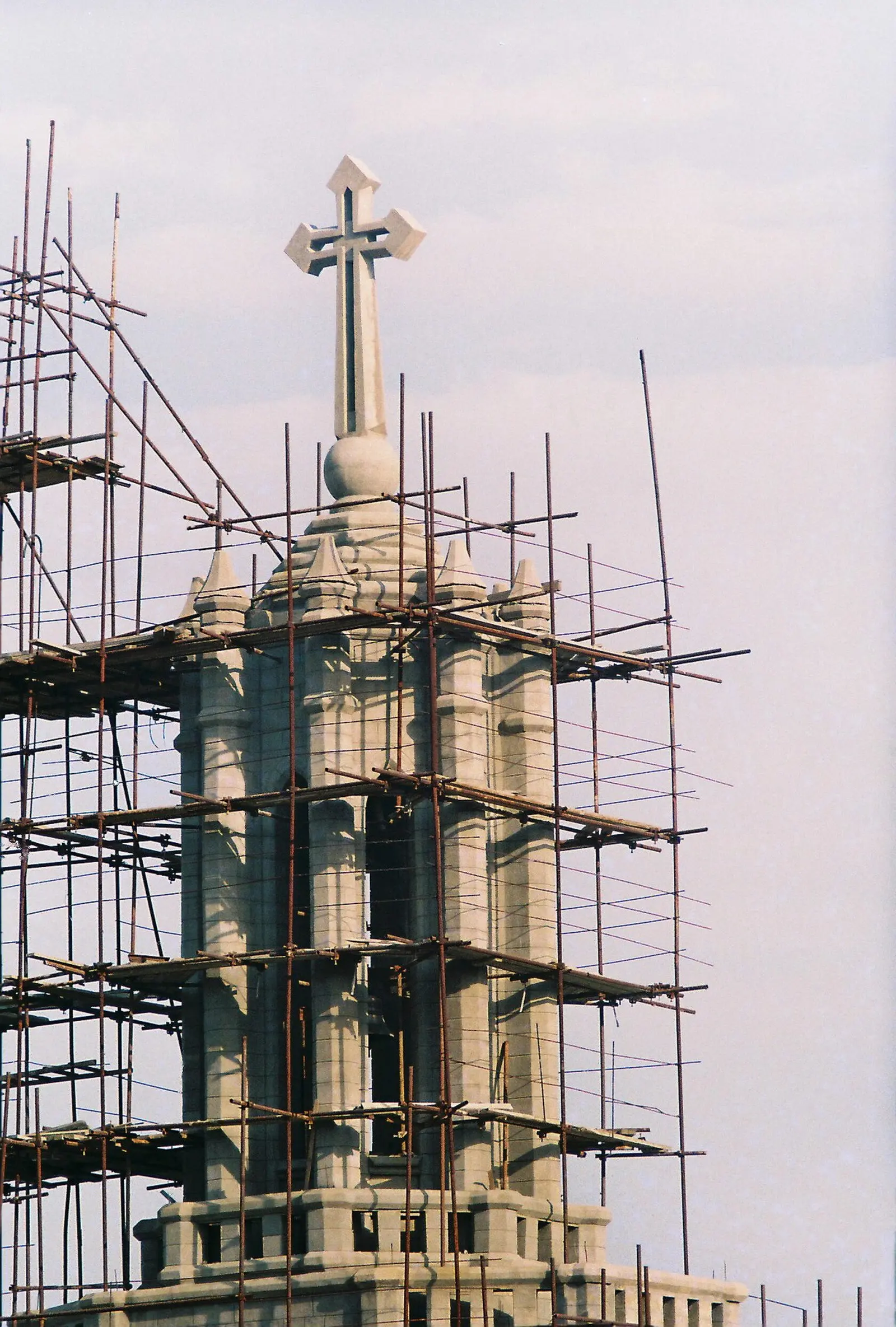
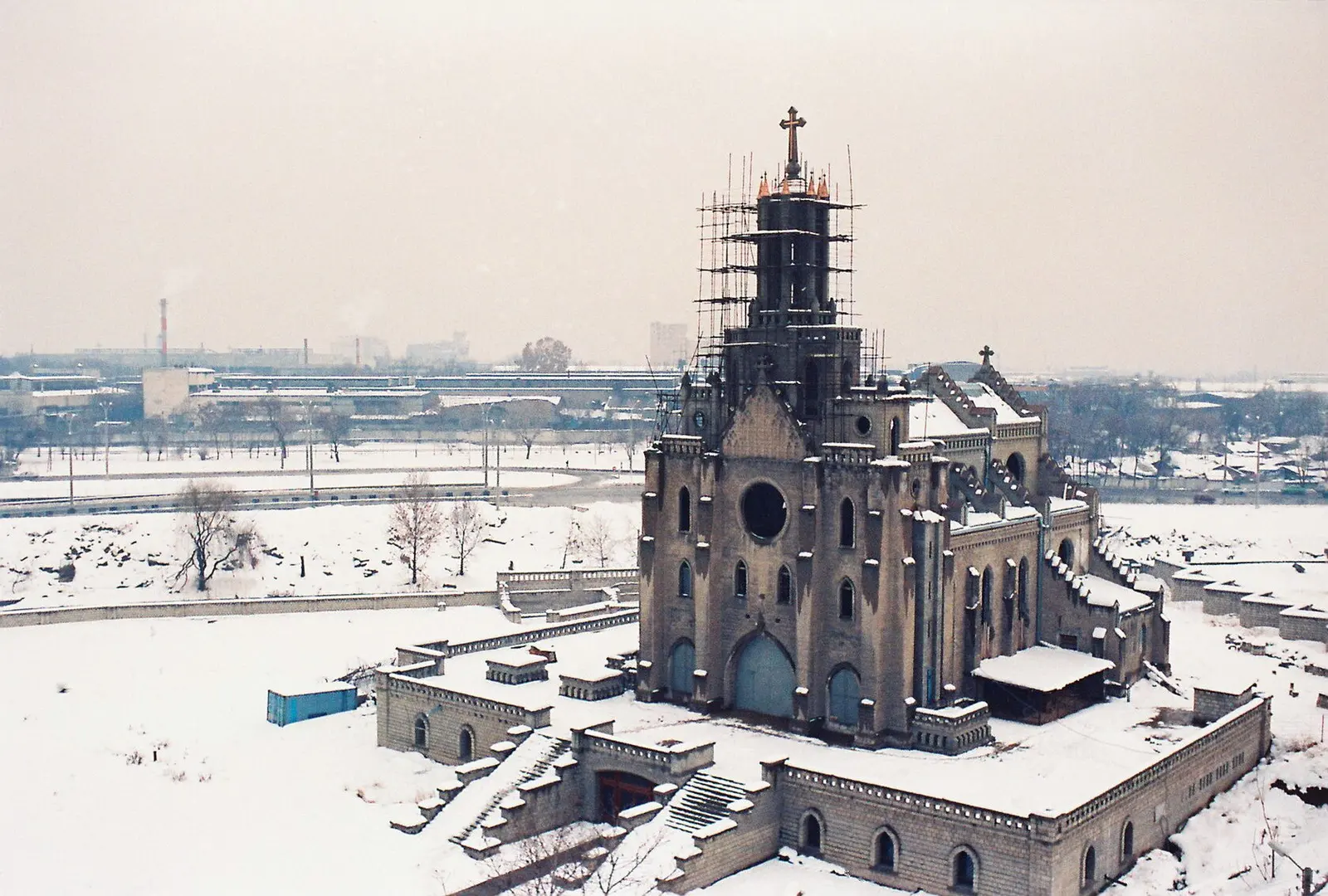
1992A complete restoration of the church began, led by architect Sergey Adamov and engineer Alexander Ponomarev.
1993The Roman Catholic parish was led by Father Krzysztof Kukułka, a Franciscan from Poland, whom Pope John Paul II appointed Ordinary of the “missio sui iuris” (independent mission) in Uzbekistan.
1991 – 2005The Apostolic Nuncio to Kazakhstan and Central Asia, Archbishop Marian Oleś, solemnly consecrated the restored church in honour of the Most Sacred Heart of Jesus.
2000Pope John Paul II elevated the “missio sui iuris” to an Apostolic Administration and appointed Bishop Jerzy Maculewicz as its first Ordinary.
2005On June 17, in the Cathedral of the Most Sacred Heart of Jesus, Bishop Jerzy Maculewicz ordained the first Catholic priest born in Uzbekistan, Father Sergey Fedorov.
2012